A swimming pool is a great addition to any house. But to get the most out of your pool, you must have a pool heating system in place to keep the water heated when the outside temperature begins to drop. Even if you might not want to jump into the pool in the middle of winter, being able to go swimming any day of the year is incredibly fulfilling.
The market today offers a variety of pool heating solutions and these options for pool heating include electric, gas, heat pumps, and solar energy. Pool heat pumps, which have their own unique set of benefits, are in our opinion the ideal heating systems for your pool if you are wanting to swim year round. That might sound like a bold claim, but we’re sure you’ll agree once you read these advantages of installing a pool heat pump.
What Is a Pool Heat Pump and How Does It Work?
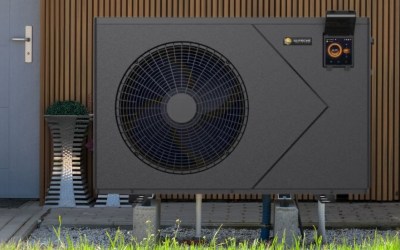
A pool heat pump is a machine that uses electricity and extracts heat from the air to heat the pool water. Using an outside evaporator air coil, the fan circulates the heated air that has been extracted. Heat is absorbed and converted into a gas by the liquid refrigerant inside the evaporator coil.
The gas in the coil is warmed by the pool heat pump before being pushed into the compressor. As a result, the temperature rises, and hot gas is produced, which is then sent via the heat exchanger condenser. The pool heat pump circulates the pool water that it has drawn from the pool, heats it, and returns the heated water to the pool.
When both the liquid refrigerant gas and the pool’s water are circulated simultaneously through the heat exchanger, the hot gas heats the water. As it goes through this process, the water warms up by around 3 degrees, and then warmer water is added to the pool. The heated gas travels through the condenser coil, changing back into liquid, and then enters the evaporator to begin the process all over again.
What are some of the Advantages of Using a Heat Pump to Heat Your Pool?
Durability
In general, pool heating systems are more expensive to purchase than a gas pool heater, however the substantial savings on running costs versus gas, means that initial purchase price pays for itself very quickly, often within a year.
A pool heat pump can last anywhere between 7 and 20 years, while the majority of gas and electric heaters typically last approximately for only about 5 to 10 years. The best efficiency and longevity may be obtained from pool heat pumps by having them maintained annually.
Guaranteed temperature – all year around
Pool heat pumps use the prevailing heat in the air rather than the sunlight to function. No matter how cold it is outside, your pool heat pump will always be able to heat it to the desired temperature because this ambient heat is always present, even on chilly winter days. Its is strongly recommended to use a pool cover, especially in the cooler months to maintain temperature. If you don’t wish to use a pool cover, or can’t use a pool cover then it is essential to upsize the heat pump. This will allow the heat pump to maintain the water temperature and cope with the heat loss overnight without a pool cover.
On the other hand, solar pool heaters directly depend on sunlight. They only function properly during the summer and shoulder months because of this. An electric pool heat pump in Queensland, Toowoomba and Brisbane will provide you with lovely warm water 365 days a year, at a fraction of the cost of other options, if you want to enjoy your pool all year long.
Autonomous and safe operation
The swimming pool heat pump in Brisbane, Ipswich and Gold Coast is very easy to use; all models of heat pumps we supply and install, Madimack Pool Heaters, Vortex Pro, Mitsubishi Inverter Heat Pump and Summerwave Heat Pumps to name just a few, come with wifi as standard so you can easily control the temperature from your phone.
Energy Efficiency
One of the most energy-efficient pool heating alternatives to gas pool heating is the use of heat pumps. While gas pool heaters and electric resistance heaters are known for their quickness, the benefit comes at a price – to be more specific, high monthly operating expenses. However, pool heat pumps are significantly less expensive and the reason for this is how they produce heat.
Pool heat pumps use a tiny amount of electricity to run a fan and compressor that draw in hot air, transform it into heat energy, and then transmit that energy directly to your water. But because nature provides majority of the heat, there is a much smaller demand on the power grid than there would be for an electric resistance heater. Thus, the Coefficient of Performance (COP) of up to 16.0 of pool heat pumps is really amazing.
No pollution
Most of the time, combustion of some form is required for the production of heat. This is the situation with gas heaters; they need to continuously burn gas in order to generate heat. A procedure that, regrettably, has some prominent negative environmental effects that ends with the Ozone layer being severely harmed by a high rate of C02 emissions.
However, when it comes to pool heat pumps there is no harm. Pool heat pumps extract natural heat from the air with a little electricity use. This means that pool heat pumps are extremely environmentally friendly because they emit no carbon dioxide. So, while you relax in the warm water of your pool, you’re also doing your part to protect the environment and please mother nature. Now that’s a win-win.
Cost-effectiveness
It stands to reason that since pool heat pumps are incredibly energy efficient, they are also quite economical. Compared to gas and electric heaters, pool heat pumps’ prices can be a little bit more, but their significantly lower running expenses make up for it.
The Bottom line,
Swimming pools can really save your life on scorching summer days. However, what occurs during the chilly autumn and winter months? Fortunately, you can now prolong your time in your pool throughout the entire year by using a pool heat pump. One of the best investments you can make for your swimming pool is a pool heat pump, which has great energy efficiency ratings, low operating costs, an environmentally friendly heat production technique, and longevity.
If you’re thinking about adding an exclusive pool heat pump to your pool, make sure to get in contact with That Pool Heating Company right away. In particular, our outstanding selection of pool heat pumps is designed to provide the best heating performance and efficiency under any Australian weather.